
Maintenance vs Repair
Our culture and attitudes: Traditional view vs colonial view
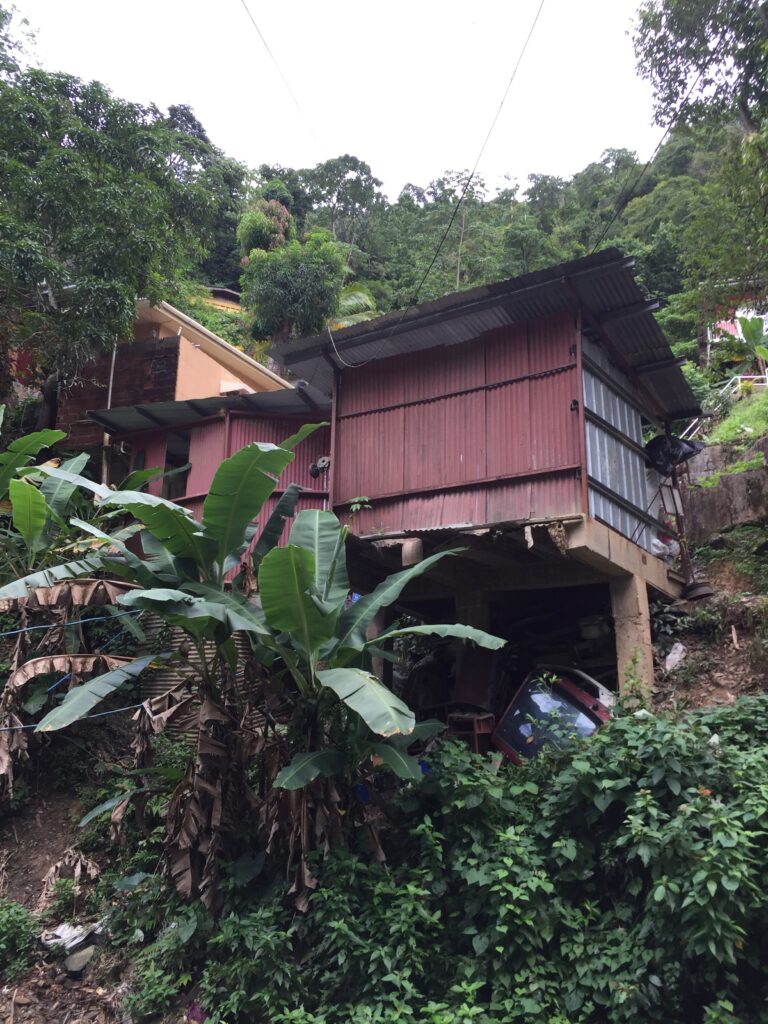
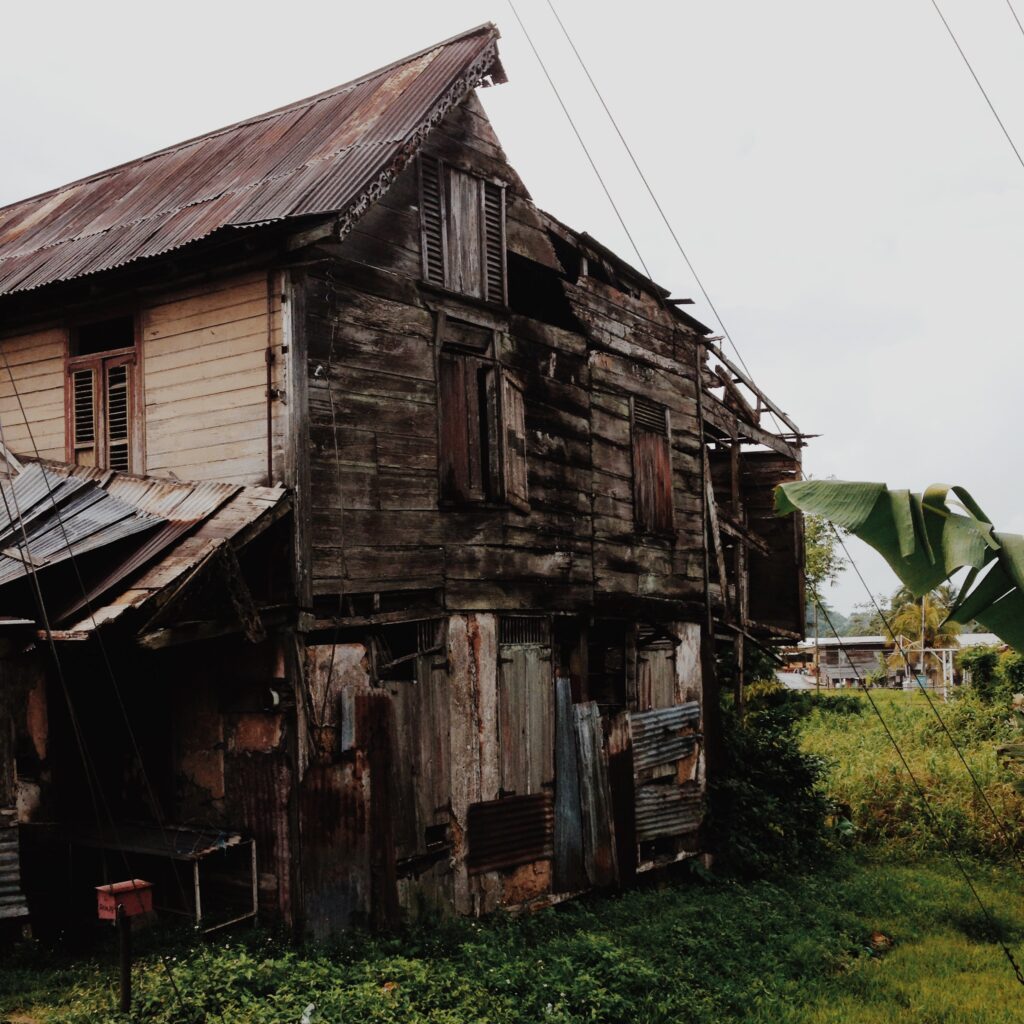
When we talk about buildings, we often focus on their design, the materials used, and the genius of their form. But underneath the visible surface, there’s a hidden layer that shapes how we interact with the built environment: our cultural attitude toward maintenance and repair.
It’s an idea I keep returning to as an architect working in the Caribbean, a region shaped by indigenous wisdom, colonial legacies, and modern global influences. Understanding the difference between a culture of maintenance and a culture of repair isn’t just an academic thought exercise. It’s a practical lens for how we build, live, and feel about our spaces and ourselves.
Indigenous Ingenuity: A Culture of Repair
Long before concrete blocks and rebar arrived on ships, indigenous communities across the Caribbean built homes using what the land gave them: timber, palm leaves, bamboo, thatch. Their structures were practical, airy, and responsive to the tropical climate. These homes weren’t built to stand untouched for a century, they were built to be repaired. If a storm battered the roof, people knew how to weave new thatch. If termites found a post, it could be replaced with wood from the forest. Repair wasn’t a failure; it was a way of caring.
That mindset shaped daily life. Tools, boats, baskets were all made with repair in mind. Knowing how to fix things wasn’t shameful, it was a sign of skill, pride, and community resilience.
The European Shift: A Culture of Maintenance
Then came colonization. With it arrived European building traditions: stone churches, grand estates, fortresses. Structures meant to declare permanence, power, and status. These were designed to resist time.
This shift brought a new idea: maintenance. Roofs needed to be cleared of moss, stone walls needed repointing, wooden trims needed painting. But these tasks required money, time, and often a class of skilled workers. Maintenance was formalized, scheduled, specialized and not equally accessible to everyone. While these buildings still needed repair, the expectation was that with proper maintenance, decay could be controlled. Deviation from that standard was often judged as neglect, a mindset that would linger long after colonization ended.
Living Between Two Worlds
Today, we see both these cultures side by side. A tiny wooden shop patched with leftover galvanize stands next to a centuries-old stone church. A colonial-era house with a modern concrete block extension. A perfectly painted front wall hiding a roof patched with tarpaulin and prayer.
Many Caribbean people live inside this tension: the dream of maintenance and the reality of repair.
We want things to look “proper”. The fresh paint, the polished tile, the crisp lines, but when money runs tight or skills aren’t readily available, repair becomes the default. And too often, people feel embarrassed about that.
What Does This Mean for Us Today?
This is why the conversation matters. Our mindset toward maintenance and repair shapes the sustainability, cost, and resilience of our homes, but it also shapes how we judge ourselves.
A culture of maintenance encourages planned care, including routine checks, preventive fixes, budgeting for professional upkeep. It’s ideal when there’s access to resources. But when that’s not realistic, people can feel like they’re failing. Meanwhile, a culture of repair is resourceful. It keeps a building useful despite economic or material limits. It extends life, keeps costs down, and passes skills from one generation to the next. But it can also clash with modern codes and aesthetics, opening the door for harsh judgment from outside and within.
How many times have you heard someone say, “People here just don’t take care of their things?”
How often have you said it about your own home?
But maybe the truth is simpler: many imported building styles aren’t matched to local realities. They assume steady cash flow, easy access to trained tradespeople, or affordable materials. When that falls short, families stretch what they have. Improvising, patching, propping up. These aren’t failures, they’re survival.
When we design without respecting this truth, we unintentionally build shame into our walls.
Lessons for Architects and Builders
This is where thoughtful design comes in. We have a responsibility to bridge these worlds honestly.
I believe good design for the Caribbean, and for many places like it, doesn’t cling to imported ideals blindly. It embraces resilience. It plans for repairability, not just maintenance. It uses materials people can work with and fix themselves. It details for strength but accepts that life will test those details in ways books don’t describe.
It also means respecting and elevating the local wisdom that’s already here. The father who can patch a zinc roof in an afternoon knows something valuable. The grandmother who mends a board house year after year carries knowledge no manual can match.
As designers, we should listen to them, learn from them and create buildings that don’t leave people feeling inadequate for not owning a paint sprayer or hiring a plasterer every few years.
A Personal Reflection
I grew up seeing this blend. I remember my family’s hillside home in Trelawny, the tiny steps cut into the slope, the board house perched on stick-like posts, the parts that shifted when storms came and were propped back up with new timber or stone.
We didn’t see that as neglect; it was a kind of care. And while I’ve spent years studying structural systems, design theory, and international best practices, that childhood memory reminds me: Permanence is a privilege. Adaptability is survival.
A Call to Reframe the Narrative
So maybe the question isn’t, “Why don’t people maintain things properly?” Maybe it’s, “How can we design for the reality of how people actually live, earn, and adapt?”
It’s about dignity. It’s about taking the shame out of repair. It’s about designing houses, shops, churches, and schools that stay beautiful. Not just when they are new and freshly painted, but when they have been mended by loving, capable hands a dozen times over.
This is what true sustainability looks like: not only green materials or energy savings, but buildings that communities feel proud to repair, without feeling judged.
Your Turn
If you have read this far, I would love to know:
Do you see this tension in your own home or community?
Do you feel more pride or more shame when something needs fixing?
What small design shifts could help us respect our culture of repair and plan for practical maintenance?
Let’s keep this conversation alive. Because our buildings and our stories deserve it.
Thank you for reading. If this resonates with you, share it with someone who still believes in patching roofs, painting walls, and keeping homes alive for the next generation.
This post was inspired by the video above.